How Social Media Can Jeopardize Your SSDI Claim
SSDI, Social Media, Disability Claims
How Can Social Media Jeopardize Your Disability Claim?
Learn how everyday posts on Facebook, Instagram, and other platforms may affect your Social Security Disability Insurance (SSDI) application — and what to keep in mind as you share online.
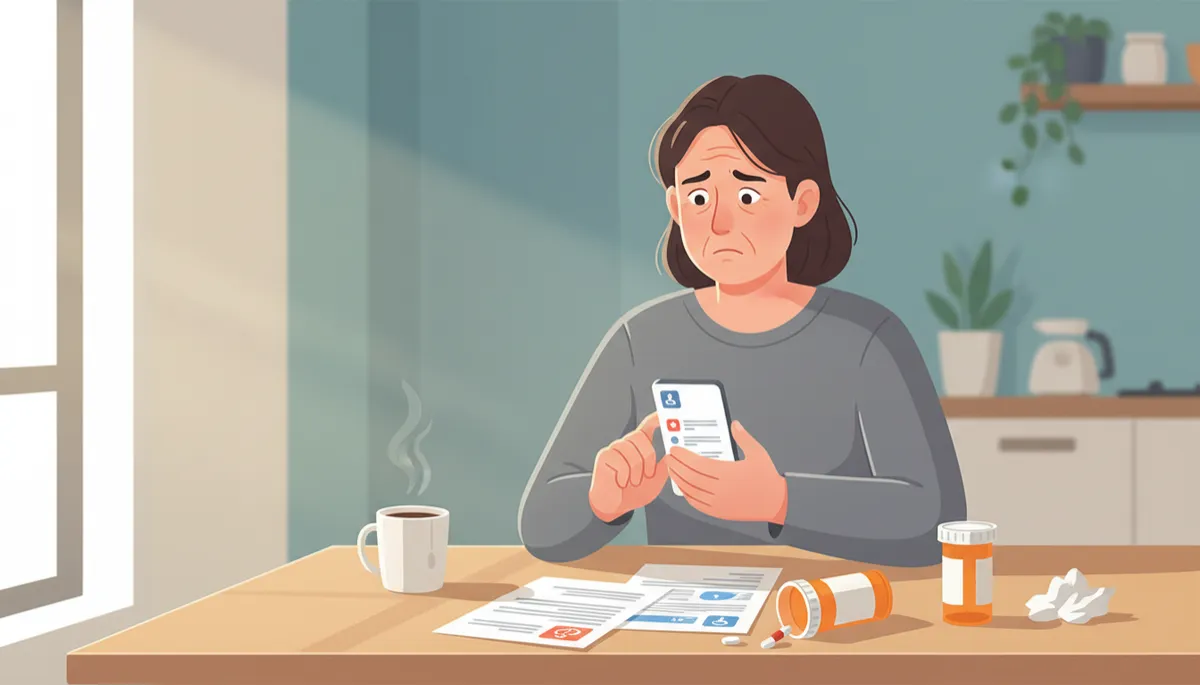
The Social Security Administration is considering using applicants’ social media accounts when evaluating disability benefit applications. Whether to stay in touch with family or friends, for personal or professional networking purposes or to connect with like-minded people around the world, many people share aspects of their lives via platforms such as Facebook and Instagram. Sharing certain information, however, may jeopardize an SSDI claim.
Screening Applicants’ Social Media Accounts
The fiscal year 2020 budget overview from the SSA proposes the continued evaluation of how adjudicators could use social media in evaluating disability claims. Currently, the agency uses the information included in people’s applications; claimants’ medical records; and statements from applicants’, their physicians, and family members or friends who can speak to the extent and effects of their disabilities. Although the SSA has not laid out a detailed plan for how it might use social media reviews in the evaluation of claims, the proposal to integrate them into the determination process indicates adjudicators would use them to help assess the consistency of people’s claims and the evidence they provide.
The Danger of Posts Taken Out of Context
Social medial does not always provide an accurate representation of people’s typical lifestyles. This could lead to the SSA taking posts out of context and denying or stopping people’s SSDI benefits without proper cause. For example, a person with a disability claim may share photos from a recent vacation to the beach. The pictures may show the benefit claimant walking on the beach or swimming in the water. What they may not depict, however, is the rarity of this type of physical activity for the claimant or the days the person spent bedridden after the excursion. Social media users often share the more positive aspects of their lives on their feeds, keeping private the daily struggles of living with their disabilities.
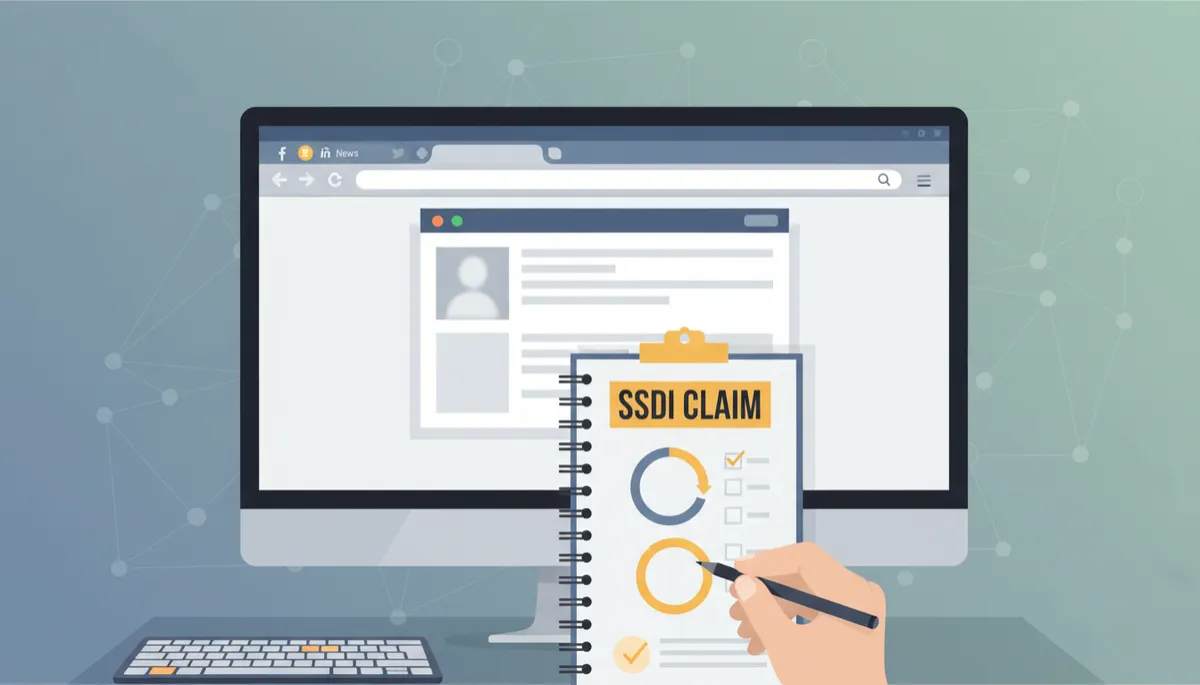
💡 Pro Tip: Consider your social media presence part of your public record. If you are applying for SSDI, it may help to review past posts with this in mind.
How Can Posts Be Taken Out of Context?
The Danger of Posts Taken Out of Context
Social medial does not always provide an accurate representation of people’s typical lifestyles. This could lead to the SSA taking posts out of context and denying or stopping people’s SSDI benefits without proper cause. For example, a person with a disability claim may share photos from a recent vacation to the beach. The pictures may show the benefit claimant walking on the beach or swimming in the water. What they may not depict, however, is the rarity of this type of physical activity for the claimant or the days the person spent bedridden after the excursion. Social media users often share the more positive aspects of their lives on their feeds, keeping private the daily struggles of living with their disabilities.
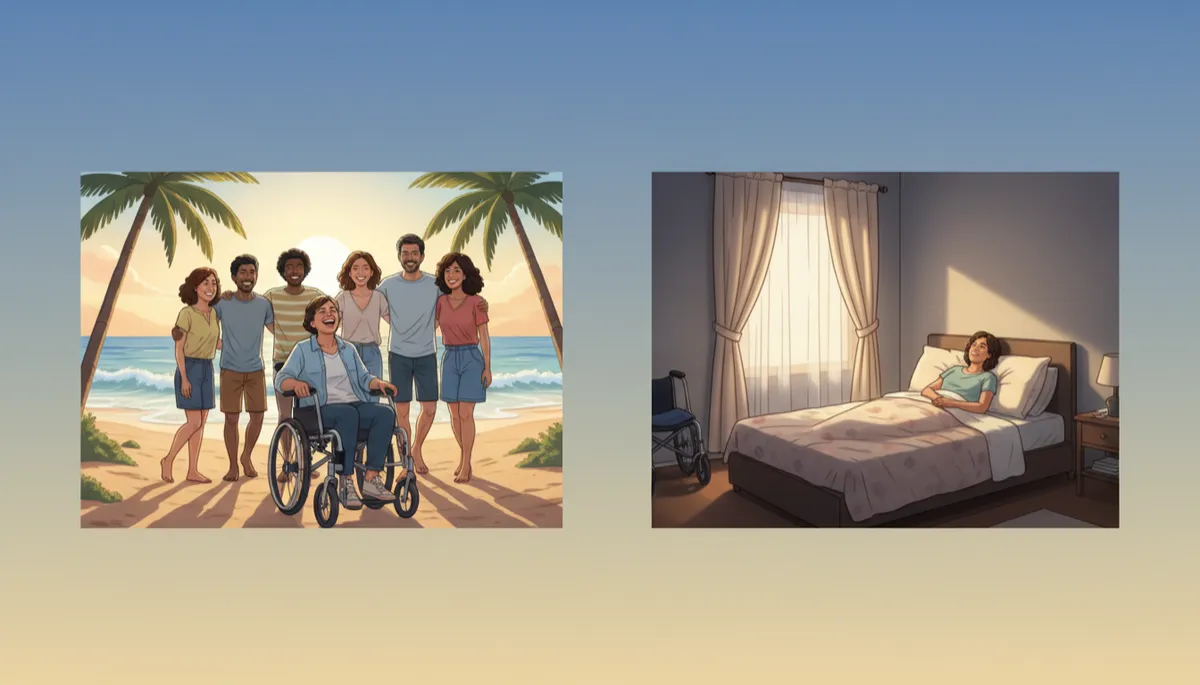
“A single happy photo on a good day may not reflect the ongoing limitations you live with the rest of the week.”
— Perspective often discussed by disability advocates and attorneys like Klain & Associates
Corroborating Suspected Fraud
The SSA currently reviews benefit recipients’ social media feeds in suspected fraud cases. Investigators may examine people’s Facebook, Instagram, and other social media profiles to help prove claimants engaged in deceptive or otherwise fraudulent activities. Since people are only eligible for benefits for as long as they have a disabling condition that renders them unable to work, the agency may use posts showing the contrary as evidence of fraud.